Title Insurance
How Do You Read a Florida Title Commitment Before Closing?
Direct answer
A Florida title commitment is the insurer's offer to issue a title policy if the requirements are met, and subject to the exceptions and conditions. It is not the policy, and it is not a statement that the title is clear. Florida Statutes section 627.7845 says an insurer may not issue a commitment until it has determined insurability from a reasonable title search, any other necessary information, and sound underwriting. On the ALTA 2021 commitment used in Florida, Schedule A names the proposed insured, the policy, the interest, the current owner, the commitment date, and the legal description. Schedule B-I lists requirements that have to be satisfied before the policy issues. Schedule B-II lists exceptions proposed to stay outside coverage. The signed purchase contract sets the title-objection deadline. Time to Close Title issues the commitment on the files we close from Spring Hill. We explain the item you ask about. We do not decide a buyer's right to cancel.
Key takeaways
- A commitment is a conditional offer to insure. The issued policy is the insurance contract.
- Schedule A has to match the buyer, the property, and the coverage you expect. The legal description is not the street address.
- Schedule B-I is the work list. A seller's mortgage on that list is usually a payoff, not a dead deal.
- Schedule B-II is what the proposed policy would leave out. A recorded easement can stay. Ask for the document behind the recording reference.
- The contract's written objection deadline is separate from the commitment date. An informal question does not preserve that notice.
- A municipal lien search, a survey, and a permit question are separate checks. The commitment does not replace them.
What does a Florida title commitment actually tell you?
It describes the basis on which the insurer proposes to issue coverage. Receiving it does not mean every closing task is finished. Section 627.7845 is why the document follows a title examination. The search behind it is in what a Florida title search finds.
This walkthrough uses the Schedule A and Schedule B structure of the ALTA Commitment for Title Insurance (2021) filed with the Florida Office of Insurance Regulation. The commitment in your file controls. A short commitment can hold the item that matters. A long one can be routine recording steps. Count the answers, not the pages.
Before you read, keep the purchase contract and amendments, the complete commitment, any attachments it names, and the survey if you have one. Write the schedule item number next to each question so we are looking at the same sentence.
| Section | What it covers | Question to ask |
|---|---|---|
| Schedule A | Proposed insured, policy, estate, current owner, commitment date, and land | Does this match the buyer, the property, and the coverage for this sale? |
| Schedule B-I | Requirements that have to be satisfied before the policy issues | Who is handling this item, and what document will show it is done? |
| Schedule B-II | Exceptions proposed to remain outside coverage | What would the policy leave out, and does that affect the way I plan to use the property? |
| Conditions | The terms of the offer, including amendments and expiration | Is everyone reading the same complete commitment, including the latest revision? |
What should you check on Schedule A?
Schedule A identifies the proposed insureds, the policy types and amounts, the estate or interest, the current record owner, the commitment date, and the legal description. The legal description is not the street address. If the contract is for two lots, or a house plus a parking parcel, ask whether both descriptions are on the commitment. Flag a mismatch. Do not rewrite the legal description yourself.
An owner's policy protects the purchaser's insured interest. A lender's policy protects the lender. It does not stand in for owner coverage. Read owner's versus lender's title insurance. On a cash purchase there is no lender's policy unless you buy owner's coverage. Read title insurance for Florida cash buyers. If you change how you will take title, tell us before the deed is drafted. Read how Florida buyers take title. We do not choose that form, and we do not give tax advice.
The commitment date is the end of the search the commitment reports. It is not the recording date. Read what a Florida title gap exception is.
Insured
The proposed owner's policy names the buyer you intend, in the amount you expect.
Land
The legal description matches the contract. A street address is not that description.
Date
The commitment date is the search date. Recording comes later. That interval is the gap.
How do you turn Schedule B-I into a working list?
Requirements are conditions for the proposed policy to issue. They include payment, documents, and recording. A seller's open mortgage on that list is usually paid from closing proceeds. The requirement needs a status. It is not, by itself, a reason to treat the sale as failed.
A payoff letter and a recorded release are different steps. Section 701.04 covers the estoppel figure and the later satisfaction. Read clearing a judgment, tax lien, or old mortgage. If the seller says an old loan was paid years ago, we still need the release of record, or a path to get it. Do not assume every release is already recorded on the morning you sign. Ask who is ordering the payoff and who sends the release for recording.
For each open item, write the number, who is coordinating it, the next document, and when you should hear back. "We are working on it" is not that note. If you cannot find a prior deed or a lender's contact, say so when the file opens. If the owner of record is a trustee, one requirement is often a certification of trust, or the excerpts that show who may sign this sale. Read what a Florida trust certificate has to say.
How do you read Schedule B-II against your plans?
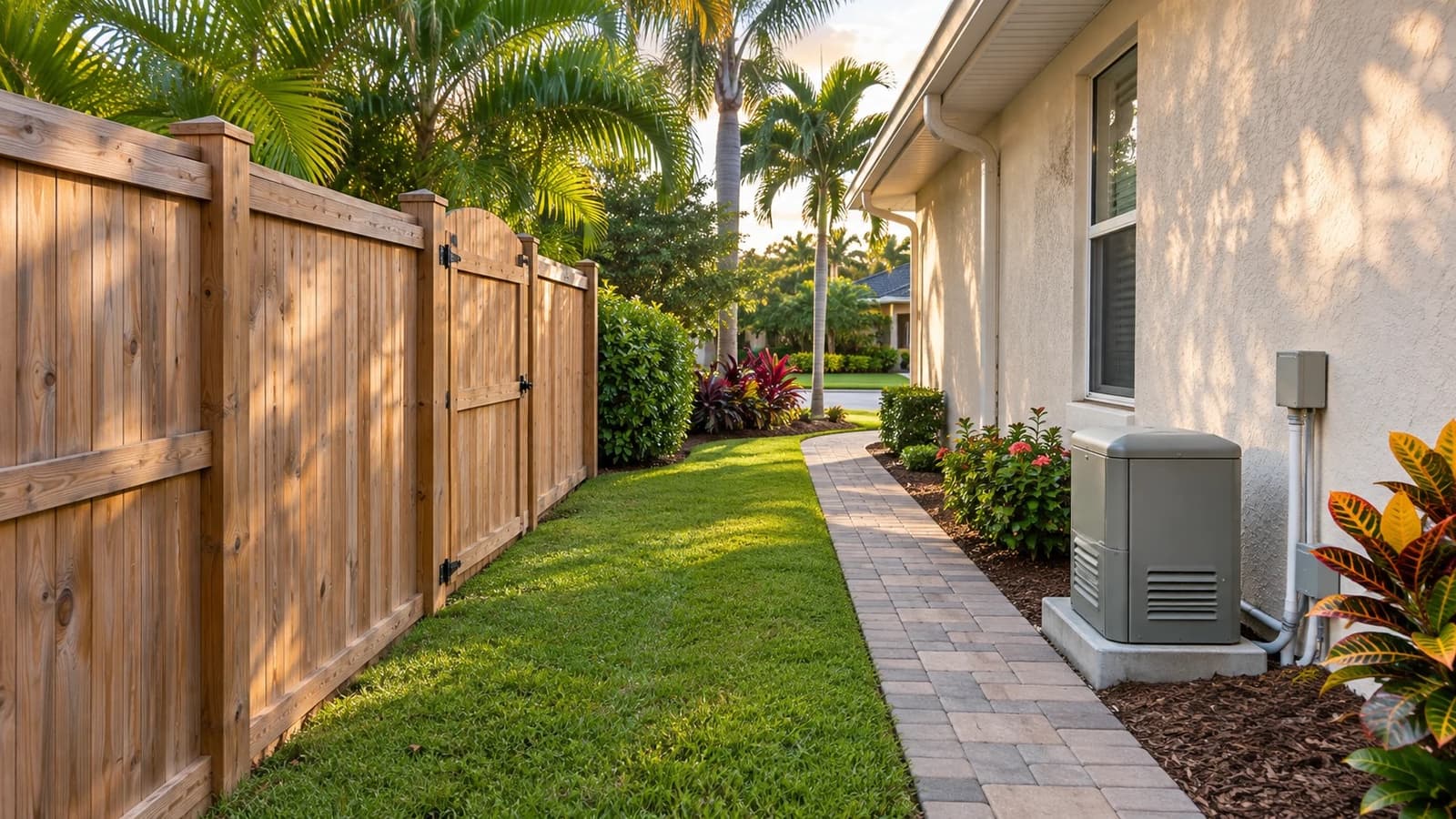
Exceptions are matters the proposed policy would leave outside coverage. Some can come off after more work. A recorded easement or a recorded declaration often stays. A recording book and page is how you find the document. It is not an explanation of what the document does. Ask for the instrument. Then say what you care about: a pool, a workshop, a fence, extra parking, access, or a rental.
An easement is not automatically a problem. Ask who may use the area, where it is, and for what purpose. A survey can show the location. It is not the title search, and a listing photo or a fence line is not a survey. We do not decide where a pool can go. Take a question about legal meaning or enforceability to a Florida real estate attorney.
An endorsement or a different owner's form can change coverage, subject to its own limits and to underwriting. One file's option is not every file's option. Ask whether an exception would be deleted, narrowed, or left in place. Ask for the policy or endorsement language. "Fully covered" is not that language. Read what title insurance does not cover and enhanced versus standard owner's coverage.
| Item | Question | What to ask for |
|---|---|---|
| Proposed owner coverage | Are the buyer and the property the ones on Schedule A? | Confirmation, or a revised commitment |
| Seller's mortgage | What is the payoff, and who handles the release? | The estoppel path and the person coordinating it |
| Utility easement | Does the recorded easement sit where a pool is planned? | The recorded document, and a survey or attorney if the use is the question |
| A proposed endorsement | What would the issued policy actually say? | The form language, not a summary that says fully covered |
What stays outside the commitment, and what happens after you sign?
The signed contract controls title review and any contractual remedy. A listed exception does not, by itself, create a right to cancel. There is no single objection period for every Florida contract. On the August 2024 Florida Realtors and Florida Bar residential form, the written objection is 5 days after the commitment. A different contract controls that file. Read the Florida title objection deadline. An informal question to the title company does not satisfy a notice the contract requires to be in writing. The commitment also has its own terms for amendments and expiration. Those terms are not the purchase contract's clock.
The commitment does not inspect the house, pull a permit, or decide zoning. If an enclosed garage or a home business is why you are buying, name that question and who is answering it. An unpaid utility or code charge is a municipal and utility lien search, not a line that always appears in the clerk's official records. Physical condition is a different contract clause. Read an AS IS contract and the title search.
Before signing, ask what changed on the items you flagged and ask for the latest complete commitment. Authorized written changes are how the ALTA form is amended. The issued policy is the coverage. Compare the insured name, the property description, the amount, the exceptions, and any endorsement you were promised. The policy can arrive after closing, once recording and a prior mortgage satisfaction are finished. Read what gets recorded after a Florida closing. If it has not arrived when we said it would, call (352) 792-1214.
Keep the contract with the full commitment
Use the purchase contract, the amendments, the complete commitment, and any attachment it names. Write the schedule item number beside each question. The commitment in the file controls, not a summary.
Read Schedule A first
Confirm the proposed insured, the owner's policy amount, the current owner, the commitment date, and the legal description. A lender's policy does not replace owner's coverage. A street address is not the legal description. Tell us if the way you will take title changes.
Turn Schedule B-I into a list
For each requirement, name who is handling it, the next document, and when you should hear back. A seller mortgage is usually a payoff and a later release under section 701.04. A payoff letter is not the recorded satisfaction.
Read Schedule B-II against the use you plan
Ask for the recorded document behind an exception. Say whether you care about a pool, a fence, access, or a rental. A survey is not the title search. An endorsement has to be read in its own words. We do not decide where an improvement can go.
Keep the contract deadline separate, then follow the policy
The written title objection follows the signed contract. On the August 2024 Florida Realtors and Florida Bar residential form, that notice is 5 days after the commitment. A question to us is not that notice. After closing, compare the issued policy with the commitment you reviewed. Call (352) 792-1214 if the policy has not arrived when expected.
Frequently asked questions
Is a Florida title commitment the same as a title insurance policy?
No. The commitment is a conditional offer to issue insurance. The issued policy is the contract that governs coverage. Keep both. Read what title insurance is in Florida.
What is the difference between requirements and exceptions?
Schedule B-I requirements are conditions for the policy to issue. Schedule B-II exceptions are matters proposed to stay outside coverage. Ask what action is planned for the item. The two lists are not interchangeable.
Does a Schedule B-II exception mean I should cancel the purchase?
Not by itself. The effect, and any right to object or cancel, depends on the item and the signed contract. Ask for the underlying document. Read the Florida title objection deadline. We do not decide that remedy.
Can every exception be removed from a Florida title commitment?
No. Some stay, including many recorded easements and declarations. Others can be deleted or narrowed when the underwriting is satisfied. Ask what would change and for the policy language. Read what title insurance does not cover.
Does my lender's title policy protect me as the homeowner?
It protects the lender's insured interest. An owner's policy protects the purchaser. Read owner's versus lender's title insurance. On a cash purchase, ask whether an owner's policy is being issued. Read title insurance for Florida cash buyers.
How long do I have to object to a title issue in Florida?
The signed contract and its amendments control. There is no single deadline for every Florida purchase agreement. On the August 2024 Florida Realtors and Florida Bar residential form, the buyer has 5 days after receiving the commitment to object in writing. A different contract controls that file. A general question may not be the notice that form requires. Read the Florida title objection deadline.
Why can the commitment change before closing?
The insurer may amend it as payoffs, releases, and new recordings come in. Ask what changed and whether it affects your review or the proposed coverage. The commitment date is still not the recording date. Read what a Florida title gap exception is.
When should I receive the final owner's policy?
It can arrive after closing, once recording and a prior mortgage satisfaction are completed. Ask for the expected timing, and call (352) 792-1214 if it has not arrived. Compare the insured name, the legal description, the amount, the exceptions, and any promised endorsement with the commitment you reviewed. The office is at 3087 Anderson Snow Road, Spring Hill, FL 34609. Email info@TimetoCloseTitle.com. Hours are Monday through Friday, 9:00 AM to 5:00 PM. Contact the office.